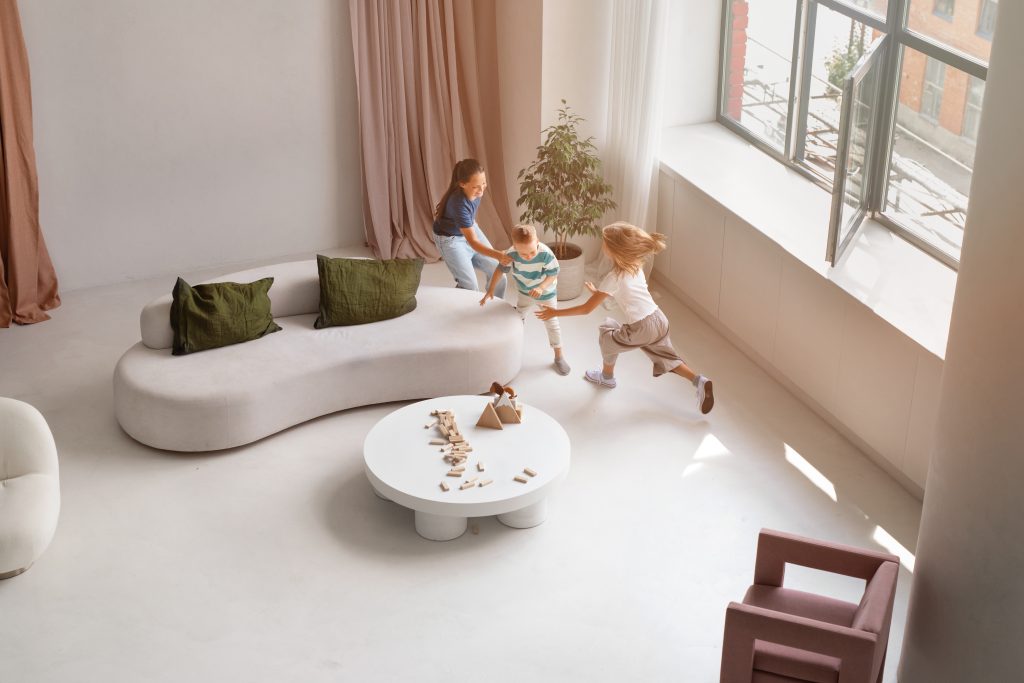
In the tropical climate of Malaysia, the comfort of a living space is defined not just by its interior design, but by how well it interacts with the environment. Effective building engineering goes beyond concrete and steel; it involves mastering the elements of natural light and airflow to create a sanctuary that is both cool and energy-efficient.
This approach, often referred to as passive design, relies on strategic engineering decisions made long before construction begins. By carefully orienting a building to minimize direct heat absorption while maximizing prevailing winds, developers can significantly reduce the reliance on air conditioning. Features such as high ceilings, strategically placed cross-ventilation openings, and deep roof overhangs are not merely aesthetic choices—they are functional necessities for thermal comfort.
Furthermore, the integration of natural light plays a pivotal role in resident well-being. Thoughtful placement of windows and glass panels ensures that interiors are illuminated without the accompanying glare or heat gain. This balance reduces electricity usage and creates a visually spacious atmosphere that promotes mental wellness.
Ultimately, a well-engineered property works with the climate, not against it. By prioritizing these fundamental principles of physics and design, modern developments can offer a living experience that is sustainable, cost-effective, and inherently comfortable for its occupants.